Am I Helping Him or Enabling Him? How to Tell the Difference
You've just paid his phone bill again, or called his boss with an excuse, or handed over cash you swore last time would be the last. And there's a small, uneasy voice somewhere behind your thoughts asking a question you keep swatting away: am I actually helping him, or am I making it easier for him to keep going? You push it down, because the alternative feels unbearable. Of course you're helping. He's your husband, your son, your brother. What kind of person wouldn't help?
If that question keeps surfacing however often you try to answer it, it's worth stopping to look at, because it's one of the most important questions you can ask yourself right now. And the fact that you're asking it at all says something good about you: you're paying attention. Let's walk through it slowly, without the guilt that usually comes attached.
The difference nobody spells out
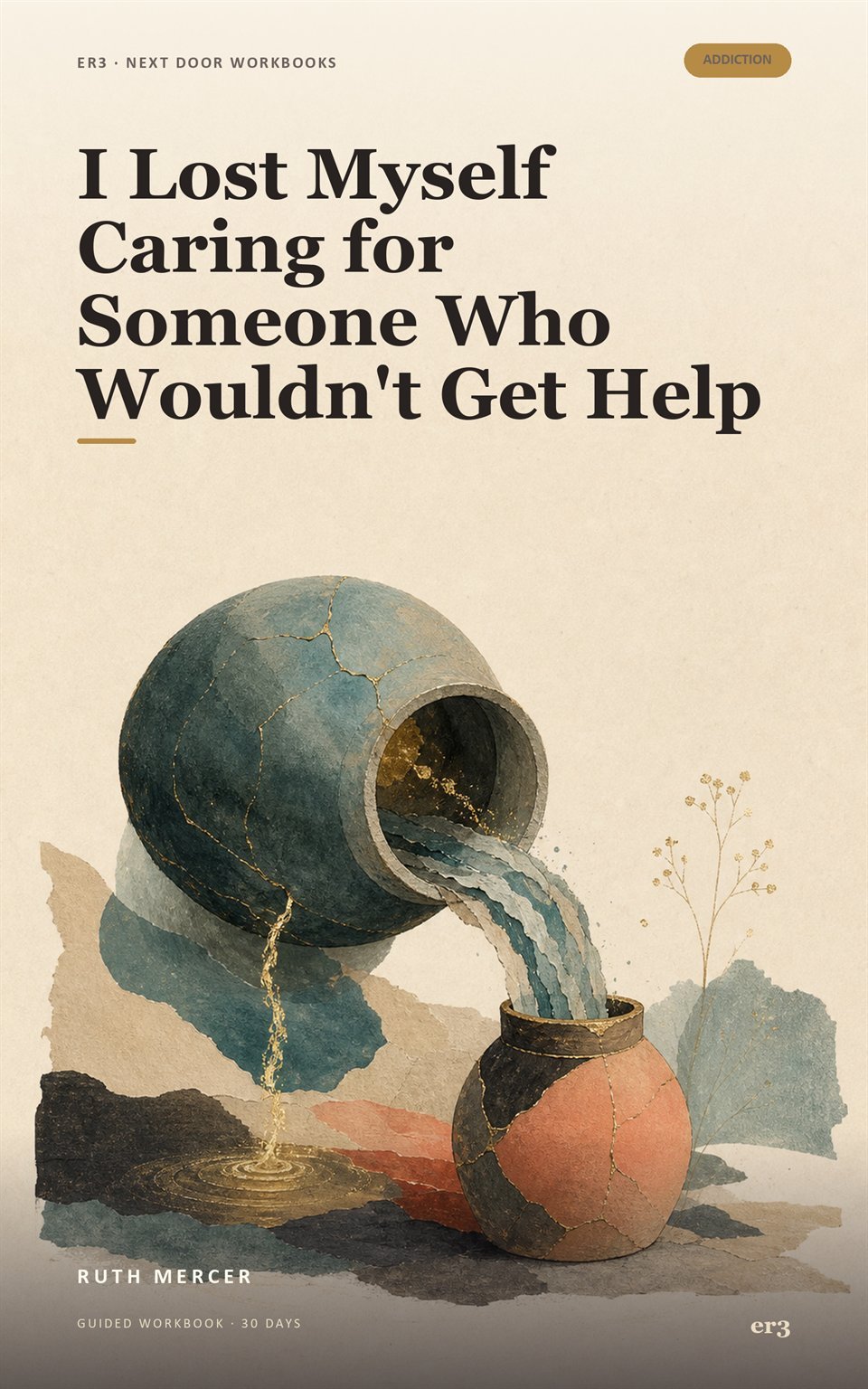
Helping is doing something for someone that they genuinely can't do for themselves. Enabling is doing something for someone that shields them from the natural consequences of their addiction. That's the whole distinction, and once you see it you can't unsee it. When you catch the fallout of his using — the debt, the missed work, the broken promise — so that he never quite feels how heavy it is, you aren't helping him get better. You're quietly removing the very discomfort that might one day push him to change.
This is hard to hear because it feels backwards. Everything in you says that a loving person softens the blows for the people they care about. And in most of life, that's true. But addiction runs on a different logic. As long as someone else keeps absorbing the cost, the using can continue with the brakes off. Your kindness, aimed at rescuing him, ends up funding the thing that's hurting him. That isn't a defect in the way you love. It's a trap the situation sets for anyone who loves an addict.
A few honest questions to tell them apart
You don't need a therapist's degree to sort out which one you're doing. You need a couple of blunt questions and the willingness to answer them honestly, even when the honest answer stings a little.
- Would I do this for a friend in the same spot, or only because I'm terrified of what happens if I don't?
- Is this fixing the problem, or just fixing tonight so the problem shows up again tomorrow?
- Am I protecting him, or am I protecting myself from the fear and the chaos?
- If I stopped doing this, who actually feels it afterward — him, or only me?
If your honest answers keep pointing at fear, at buying yourself a quiet night, at carrying a cost that should land on him, then what you're calling help is closer to enabling. That doesn't make you a bad person or a fool. It makes you a person who loves hard and got caught in a pattern that punishes exactly that kind of love.
Why enabling feels like the loving choice
Here's the cruel part. Every instinct you have — the fear that he'll spiral, the memory of his face when he begged, the certainty that a good partner or a good mother doesn't turn away — all of it pushes you toward enabling and calls it love. Stepping back feels cold, even cruel, like you're abandoning him at the worst moment. So you rescue again, and the relief lasts about a day, and then you're back where you started, a little more drained than before.
Letting him feel a consequence isn't punishment, and it isn't giving up on him. It's letting reality do the one job you were never able to do for him: show him, in a way words never could, that the using has a price. You can love someone all the way down and still stop paying that price on his behalf. In fact, that might be the most loving thing left to do.
The guilt that shows up when you stop
Brace yourself for this, because it catches almost everyone off guard: the first time you don't step in, the guilt hits like a wave. You'll feel like a bad wife, a bad mother, a cold and selfish person who turned her back at the worst possible moment. That guilt is so strong that it drives many people right back into rescuing within hours, just to make the feeling stop. Knowing it's coming helps, because when it arrives you won't mistake it for proof that you did the wrong thing.
Guilt doesn't always mean you've harmed someone. Sometimes it just means you're doing something unfamiliar that breaks a very old habit. When you've spent years measuring your worth by how much you rescue him, not rescuing feels like failing him, even when it's the opposite of failing him. In a spot like this, guilt makes a terrible compass. It's the hangover of stepping out of a role that wore you down but that you knew by heart.
Learning to sit with that guilt without racing to smother it is one of the hardest parts of all this, and one of the most freeing. Each time you hold it without giving in, you teach yourself something new: that you can love someone without rescuing them, and that you're allowed to be okay even when he, for today, is not.
It helps to have a plan for the guilt before it comes. Tell a friend what you're trying to do, so there's someone to call at the moment you'd normally cave. Write down why you decided to stop, in your own words, and read it back when the wave hits. The guilt passes faster than it feels like it will, and every time you let it pass without folding, it loses a little of its grip on you.
Where this doesn't apply
One important line. Stepping back from enabling never means standing by in a genuine emergency. If there is any real danger to his life, if there's an overdose, if there's violence, you act — you call for help, every time, no debate. Pulling back from the daily rescues is about the small, constant salvages that keep the pattern alive, not about withholding aid when someone's life is actually on the line. Knowing the difference is what lets you loosen your grip without lying awake terrified you've done something reckless.
Cushioning every fall doesn't teach him to stand; it teaches him he never has to.
Learning to tell helping from enabling, and then acting on what you find, doesn't happen in one clean decision. It happens slowly, one choice at a time, one bill you don't pay and one call you don't make, each one a little easier to carry than the one before. When that uneasy voice asks the question again, you'll have somewhere to begin: not with guilt, but with an honest look at whose consequence you keep carrying — and a first small step toward setting it down.
If this landed, keep going here